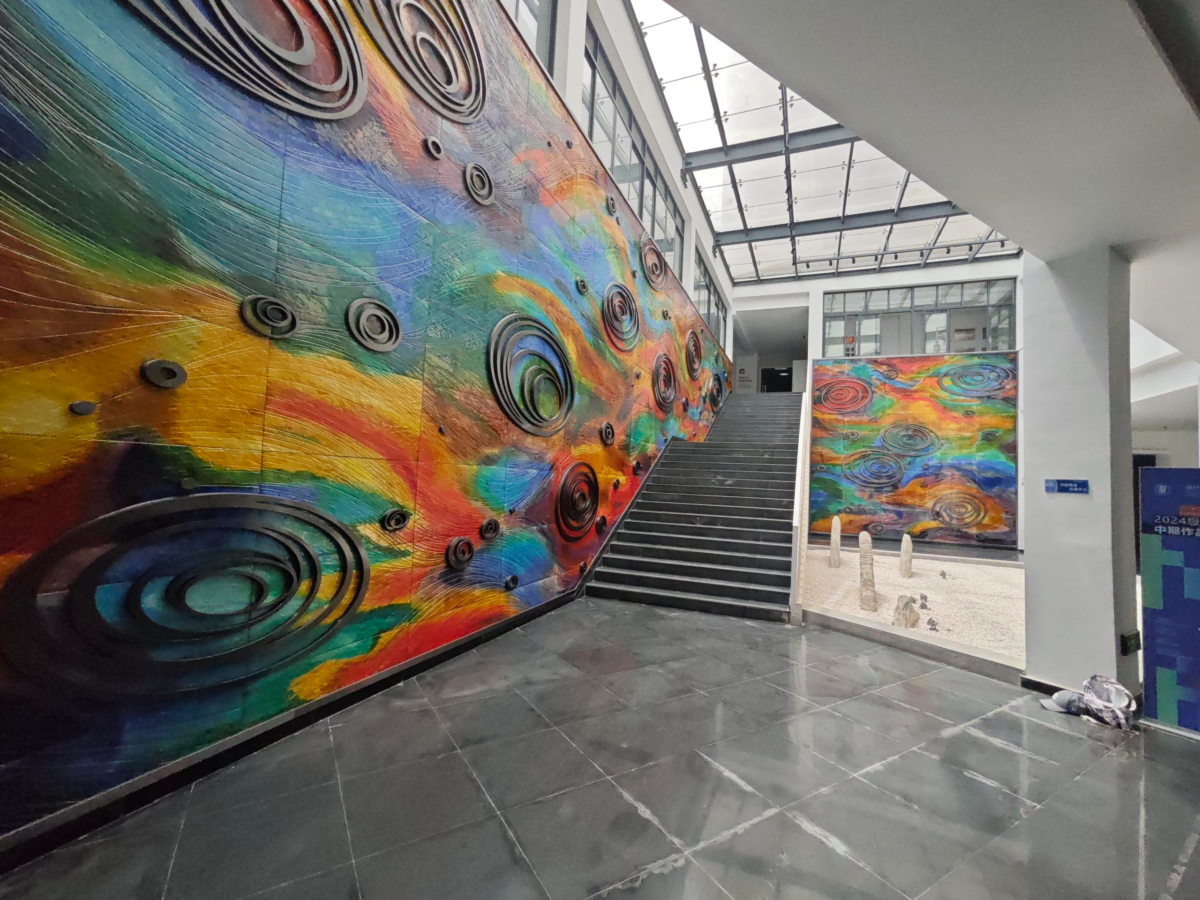
Ceramic work shows a exceptional practice form with a lengthy record, stretching back myriad of periods. From ancient vessels to recent presentations, the resource offers unequalled possibilities for creative expression. Artisans practice assorted techniques – including modeling, wheel rotating, and refined firing processes – to manufacture humble earth into stunning three-dimensional objects. The sturdiness of fired brick also contributes to its status as a truly lasting part of human heritage.
Delving into Stoneware Tablet Configurations and Strategies
The world of ceramic tile design offers a expansive array of imaginative possibilities. Artisans often apply a integration of ancestral and up-to-date techniques to develop visually bold pieces. These can move from simple, hand-carved reliefs to complex, multi-layered compositions. Popular methods include the slip cast process, hand crafting, finishing glaze – which can involve an array of genres like pre-firing decoration, final glaze adornment, and incised illustration where designs are highlighted by stripping a layer of surface. Extra examination into decorative coatings such as rapid firing and lustering can generate truly one-of-a-kind and individualized pottery tiles.
- Slip Casting - Assembling pieces using a model
- Physical Construction - Delicately building the loam
- Enameling - Covering the exterior with a lustrous finish
- Carved drawing - Bringing out designs by abrading coatings
Fascinating Experiences: Stoneware Art Displays
The evolving landscape of imagination presents exciting contemporary avenues for participants, and ceramic art installations are at the forefront of this progression. These aren't just static objects; they are crafted to envelop the audience member in a sensory ambiance. Imagine stepping into a forest of towering, finished ceramic trees, or navigating a web of delicate ceramic vessels. Many artisans are now incorporating music, luminescence, and even odor to enhance the sensation of their work. Reflect on the power of a room filled with hundreds of uniquely ceramic artifacts, each telling a account. Often, such installations study themes of the earth, history, and the individual.
- The mentioned installations blur the divisions between statue and structure.
- Interacting with a ceramic art installation can be a deeply transformative journey.
- Designers are transporting the edges of what is achievable with clay.
Each Charm of the Brick Container: Significance and Shape
The porcelain vase represents a admirable union of functionality and decorative appeal. Historically, these vessels served a minimalist assignment in containing substances, but their expansion has transformed them into highly valued works of craft. Each work showcases the dexterity of the craftsman, demonstrating how configuration can be as meaningful as purpose. The meticulous shaping, the individual glazes, and the overall presence of a expertly-built holder can raise a space, offering both elegance and a modest reminder of the maker’s hand.
Modern Earthenware Figure : Broadening Limits
Current stoneware figure represents a fascinating development from classic practices. Makers are vigorously challenging with modern procedures, questioning the boundaries between artwork and distinct imaginative areas. From immense installations to ornate miniature pieces, these works explore themes of environment while concurrently revolutionizing the nature of what stoneware can become. The effect is a active environment of creative expression.
Clay Sign: Guarding Past in Earthenware
Brick plaques offer a singular method for noting significant events and souls. Distinguished from traditional metal or stone markers, these hardwearing pieces of handiwork are formed from heated clay, creating a palpable link to the yesteryear. Generally, they showcase intricate sculptures or vividly ceramic cup colored imagery, narrating stories that might otherwise be forgotten. An technique, rooted in ancient folk, provides a captivating and durable way to commemorate our collective story.
- These particular can be set in open spaces.
- Several are now considered historical wonders.
Terracotta Art Exhibits: Altering Areas
Brick art installations are surfacing a influential medium for creators to reconstruct public and private areas. These immersive designs frequently involve considerable clay artifacts that surround viewers, shifting their appreciation of the created environment. By incorporating diverse ways like manual assembly and complex firing procedures, ceramic artists generate truly original experiences, removing the lines between production and environment. The effectiveness is often a emotional transformation that improves the visual quality of the venue and encourages discussion.
Origin Lathe to Miracle: The Process of the Earthenware Receptacle
The journey of a earthenware receptacle from a simple lump of material to a finalized work of craft is a testament to human brilliance. Historically, the process originates with the potter’s spinning device, where the proficient artisan constructs the whirling loam into a cylindrical shape. This beginning stage demands exactness and a sensitive eye, followed by a delicate solidifying period. Once bisque-fired, the urn is ready for finishing, which may engage designing intricate motifs, cutting detailed vignettes, or incorporating a collection of surfaces. The ultimate curing process then renders the piece into a durable and remarkable jar, a tangible symbol of the potter's dedication.
Crafting with Porcelain: A Guide to Clay Work
Immersing the sector of ceramic creation begins with comprehending the cornerstones of fashioning with clay. The procedure demands attentively composing and subtracting substance to construct three-dimensional items. Regardless of you're a learner or a expert sculptor, practicing with several genres of clay – such as earthenware – will assist you uncover your individual voice. In the end, clay working is a satisfying exploration that blends artistic expertise with imaginative interpretation.